
In today's threat landscape, understanding how your organization can withstand a real attack is critical. Red teaming provides a structured approach to evaluate your security posture by simulating what actual adversaries would do. Rather than relying solely on theoretical assessments, red teaming puts your defenses to the test through hands-on evaluation.
What Exactly is Red Teaming?
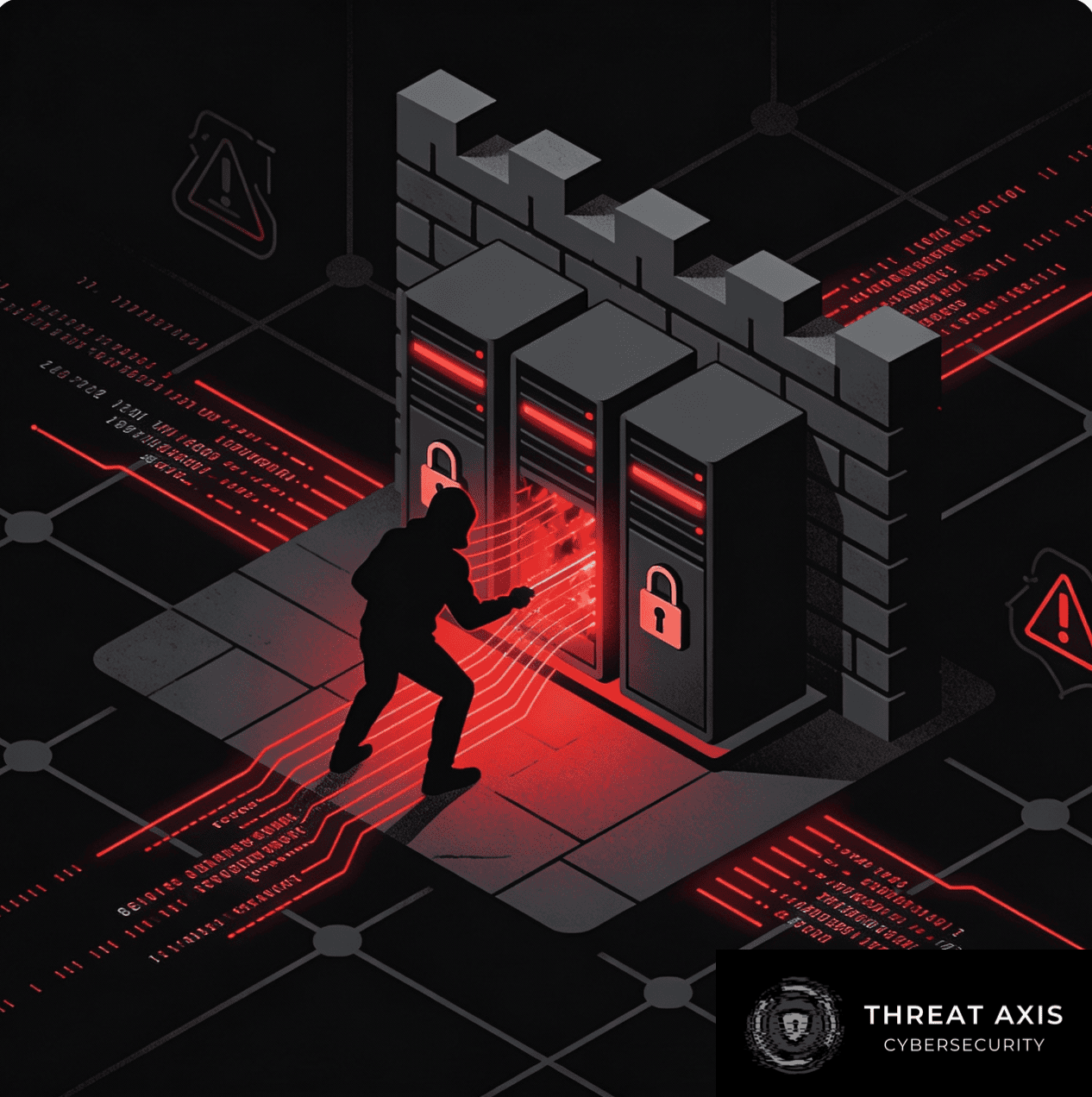
At its core, red teaming is a structured security evaluation where authorized professionals attempt to breach systems using attack methodologies that mirror real-world threat actors. The objective isn't simply to gain access—it's to accomplish pre-agreed operational goals that demonstrate realistic business impact and identify security gaps.
These goals should be meaningful and tied to your organization's actual vulnerabilities. Rather than generic objectives like "obtain administrative privileges," effective red team assessments target business-critical systems and data that truly matter to your organization. This focus ensures you understand not just what attackers can access, but what they could actually harm.
The Framework: Tactics, Techniques, and Procedures (TTPs)
To evaluate your defenses effectively, red teams employ a structured methodology built on understanding how threats operate. This involves three interconnected layers:
Tactics represent the overall strategic goals—why an attacker would take a particular action. Techniques describe the methods used to achieve these tactical goals, and procedures specify the exact step-by-step implementation. For example, an attacker might use the tactic of "credential access" through the technique of "extracting from memory storage" via the procedure of "using Mimikatz." Understanding this layered approach helps organizations defend against the full spectrum of attack possibilities.
Emulation vs. Simulation: Different Goals, Different Approaches
Not all red team exercises are identical. There's an important distinction between adversary emulation and adversary simulation, each serving different defensive purposes.
Adversary emulation focuses on a specific threat actor, using their documented attack patterns and methods. This approach provides a narrow but focused evaluation—you're essentially rehearsing your defenses against a particular adversary profile that's likely to target your industry. This establishes a baseline of your security capabilities.
Adversary simulation, conversely, involves hypothetical threats using creative and varied attack vectors. This broader approach tests how your organization responds to unexpected attack patterns and methodologies. Many organizations combine both strategies—first establishing their baseline through emulation, then expanding their capabilities through simulation against more diverse threats.
The Defensive Side: Blue Teams and Detection
While red teams attack, blue teams defend—usually composed of internal security operations centers, IT personnel, or managed service providers. Their role is to detect and respond to red team activities using their incident management processes, primarily relying on telemetry from network devices, servers, and workstations.
One critical variable is transparency: the blue team may or may not know a red team exercise is underway. This variability tests different aspects of defensive readiness—surprise engagements reveal your true response capabilities, while announced exercises allow for more focused preparation and learning.
Charting the Attack Journey
Understanding how attacks unfold is essential to building appropriate defenses. Several established frameworks map the typical attack lifecycle, with each stage presenting different defensive opportunities.
The journey typically progresses through reconnaissance (investigating potential vulnerabilities), weaponization (creating attack payloads), delivery (transporting the payload to targets), exploitation (activating the attack), installation (establishing persistence), command and control (maintaining access), and finally, actions toward achieving objectives.
More detailed frameworks, like those from Mandiant, expand this to eight phases including internal reconnaissance and lateral movement, providing greater granularity about how attackers operate once inside your environment. These frameworks help organizations understand where their defenses are strongest and where critical gaps exist.
Planning a Successful Engagement
Effective red team assessments require careful planning before engagement begins. Organizations should define what specific capabilities they want to evaluate—can threats gain physical or remote access? Can they escalate privileges? How quickly can they move through your network? How long can they operate undetected?
Rules of engagement document the boundaries of the assessment, specifying authorized targets, prohibited techniques, objectives, and responsibilities between all parties. These agreements prevent misunderstandings and ensure the exercise remains productive and safe.
Professional Tradecraft Standards
Red teamers operating at a professional level maintain strict standards to ensure quality and minimize unintended harm.
Critical practices include comprehensive logging of all actions to support reporting and prevent duplication, deep understanding of each tool's behavior and side effects, and continuous situational awareness after gaining access to verify targets remain in scope and assess existing protections.
Critical prohibitions include using untested tools that might crash systems or introduce vulnerabilities, transmitting command-and-control data in unencrypted channels that compromise operations, exfiltrating restricted data that could constitute actual data breaches, and disabling security controls without explicit authorization. The principle of "first, do no harm" guides professional red teamers—they're there to improve security, not weaken it.
The Intelligence Connection
Threat intelligence strengthens red team exercises by providing real-world context about how actual adversaries operate. When red teams leverage published threat intelligence, they can mirror the known attack patterns of specific threat actors, making the exercise more realistic and valuable. This intelligence also helps organizations understand what indicators their monitoring systems should look for.
Building a More Resilient Organization
Red teaming isn't about finding every possible vulnerability—it's about understanding your organization's defensive capabilities against realistic threats. By working through these structured assessments, security teams develop better detection capabilities, respond processes, and ultimately, more resilient organizations.
The investment in red team assessments demonstrates that your organization is serious about proactive security. Rather than waiting to discover vulnerabilities during an actual breach, red teaming lets you find and fix gaps on your own terms.